

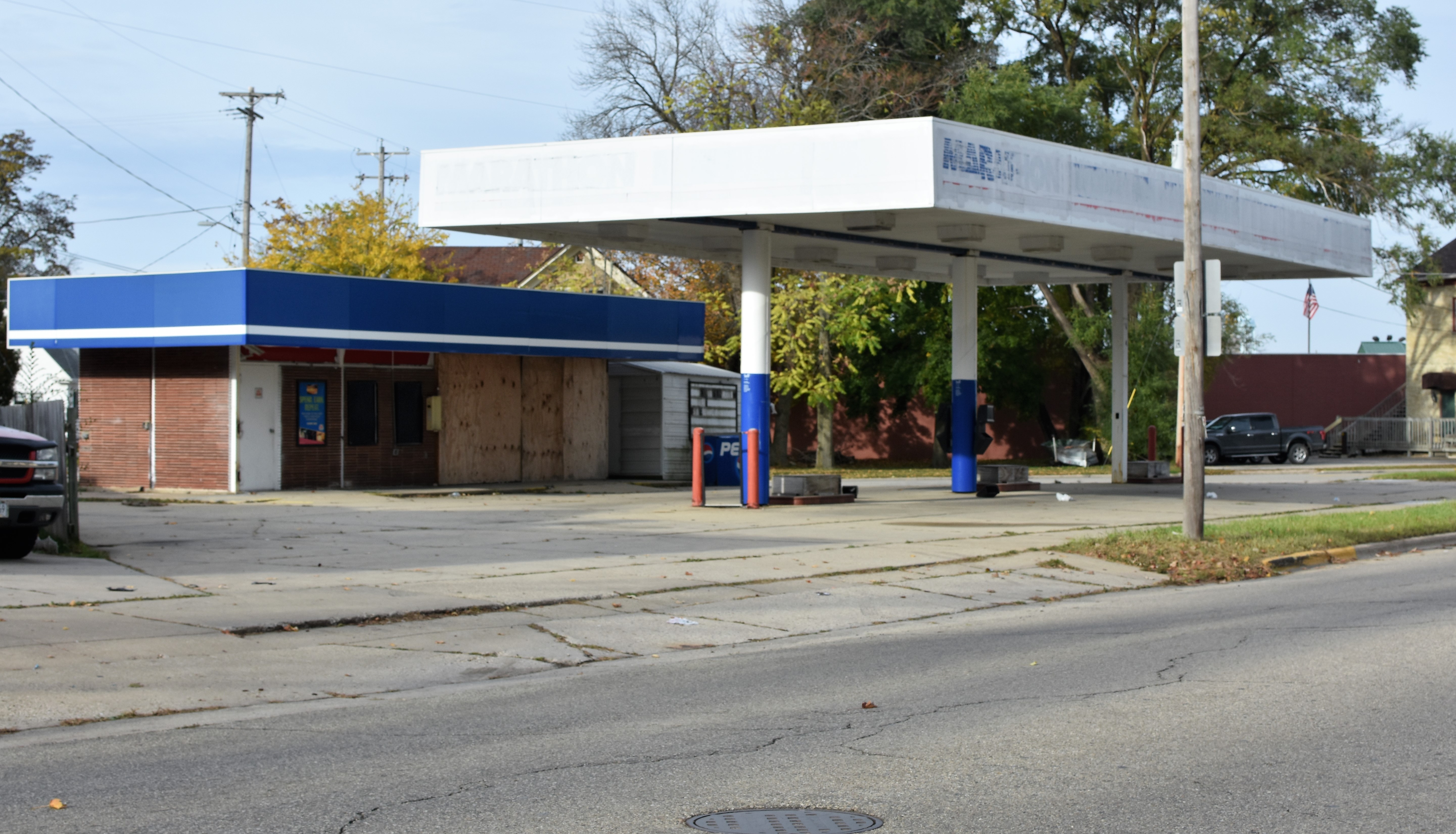
There are a fair number of unused and unproductive commercial and industrial properties in Watertown. City leaders should focus their efforts on revitalizing these properties and putting them back on the tax rolls. If this occurs, homeowners may even get a tax-rate reduction thanks to the increased value of newly-thriving commercial and industrial sites within the city limits.
These vacant, idle, and often derelict properties are a blight on our community. They are eyesores that reduce community curb appeal. Just like bumpy potholed roads, unproductive commercial and industrial properties have a negative impact on perceptions of Watertown, which turns off visitors and reduces homeowner property values too.
Annexing farmland at the edge of the city and borrowing more money to give to national corporations as development incentives, plus asking existing taxpayers to pay for new roads, sewers, and police and fire protection to serve the expanded areas is not smart fiscal management. Nor is it a wise economic development strategy for the city.
City leaders should do everything they can to make existing commercial and industrial properties productive before putting more farmland out of business on the edge of town. If these properties are operating at their highest and best use they are providing jobs and increasing the city’s tax base without having to pay for new infrastructure and services on the periphery.
The following information comes from the Municipal Research and Services Center (MRSC), a nonprofit organization that helps local governments.
Communities across the country are increasingly recognizing that the spread-out patterns of growth, which have shaped communities for the past several decades cannot be sustained. Problems with overextended public facilities and increased infrastructure costs, loss of farmlands, open space, and other valued community resources, and even reduced physical activity and community health are typically associated with such patterns.
Instead, an increased emphasis on developing passed-over parcels within developed areas, and on maximizing use of existing public facilities is needed. Infill development is the process of developing vacant or under-used parcels within existing urban areas that are already largely developed.
Most communities have significant amounts of vacant or unproductive land within city limits, which, for various reasons, has been passed over in the normal course of urbanization. Ideally, infill development involves more than the piecemeal development of individual lots. Instead, a successful infill development program should focus on the job of crafting complete, well-functioning neighborhoods.
Infill can return cultural, social, recreational and entertainment opportunities, gathering places, and vitality to older centers and neighborhoods. Attention to design of infill development is essential to ensure that the new development fits the existing context, and gains neighborhood acceptance.
A cooperative partnership between government, the development community, financial institutions, non-profit organizations, neighborhood organizations and other resources is essential to achieve infill success. In the long view, the public and private costs of continuing to favor sprawl development patterns will far exceed the resources needed now to facilitate infill development.
 We Like Watertown